
Smoobu is a vacation rental management platform that helps property owners manage bookings across multiple channels such as Airbnb, Booking.com, and other travel platforms.
By synchronizing calendars, reservations, and communication across platforms, Smoobu simplifies the operational side of running short-term rentals.
However, as the platform grew, the team began noticing a recurring issue. Many users signed up after marketing campaigns but left during their trial period before fully adopting the product.
The challenge was not attracting users. It was helping them understand the value of the platform quickly enough.
To address this, we designed a new onboarding experience that guided users through the first steps of setting up their account and helped them start using the platform with real data from the beginning.
Conducting research and synthesizing user insights
Defining personas and user journeys
Identifying usability issues and prioritizing improvements
Designing new workflows and interface patterns
Establishing a design system to improve visual consistency
Creating prototypes and preparing design handoffs for development
Figma
Miro
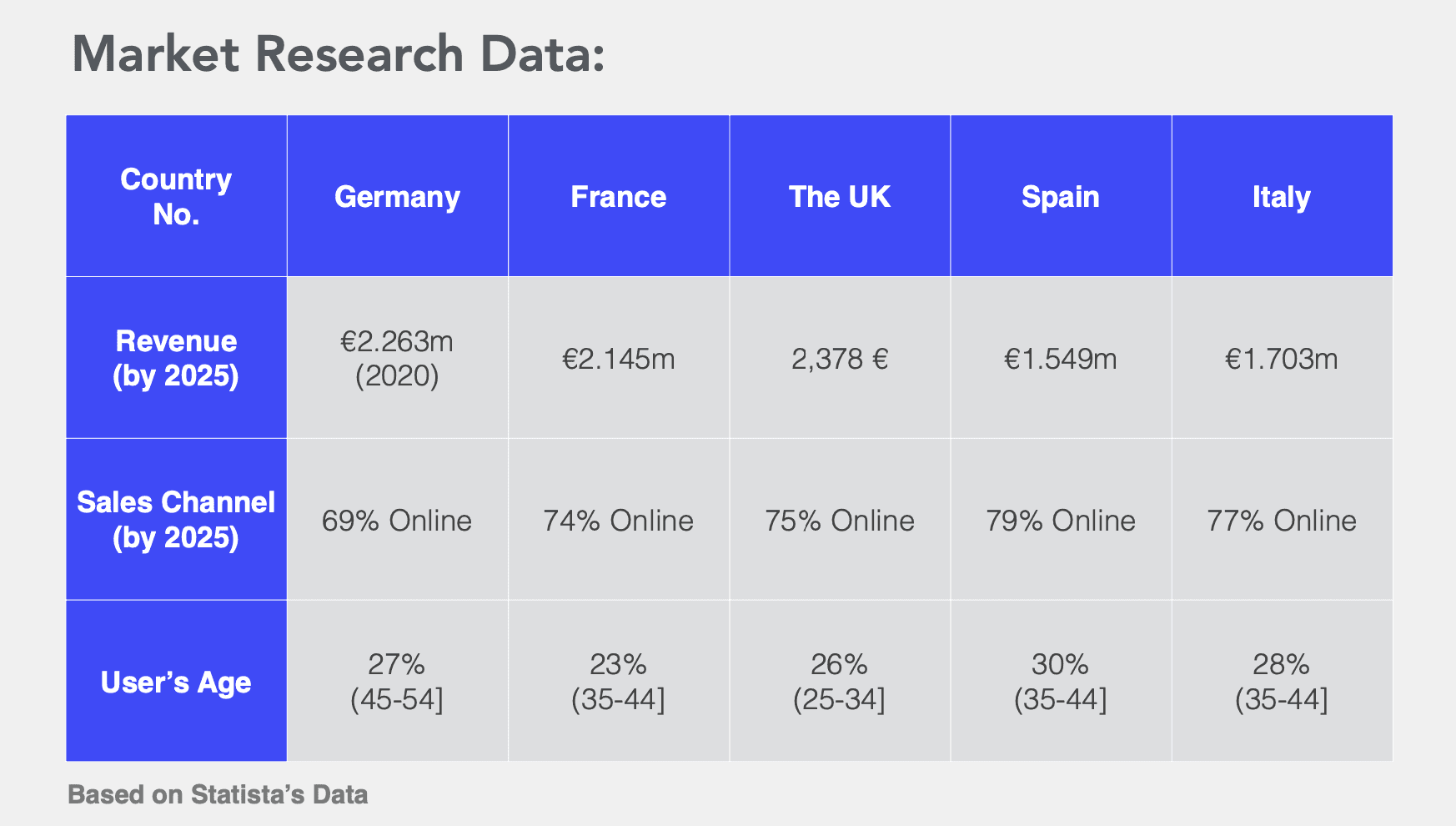
Industry data from Statista
Captera reviews (users's feedback)
Hotjar
Google Analytics
Because of time constraints, we could not conduct extensive user interviews at the start of the project.
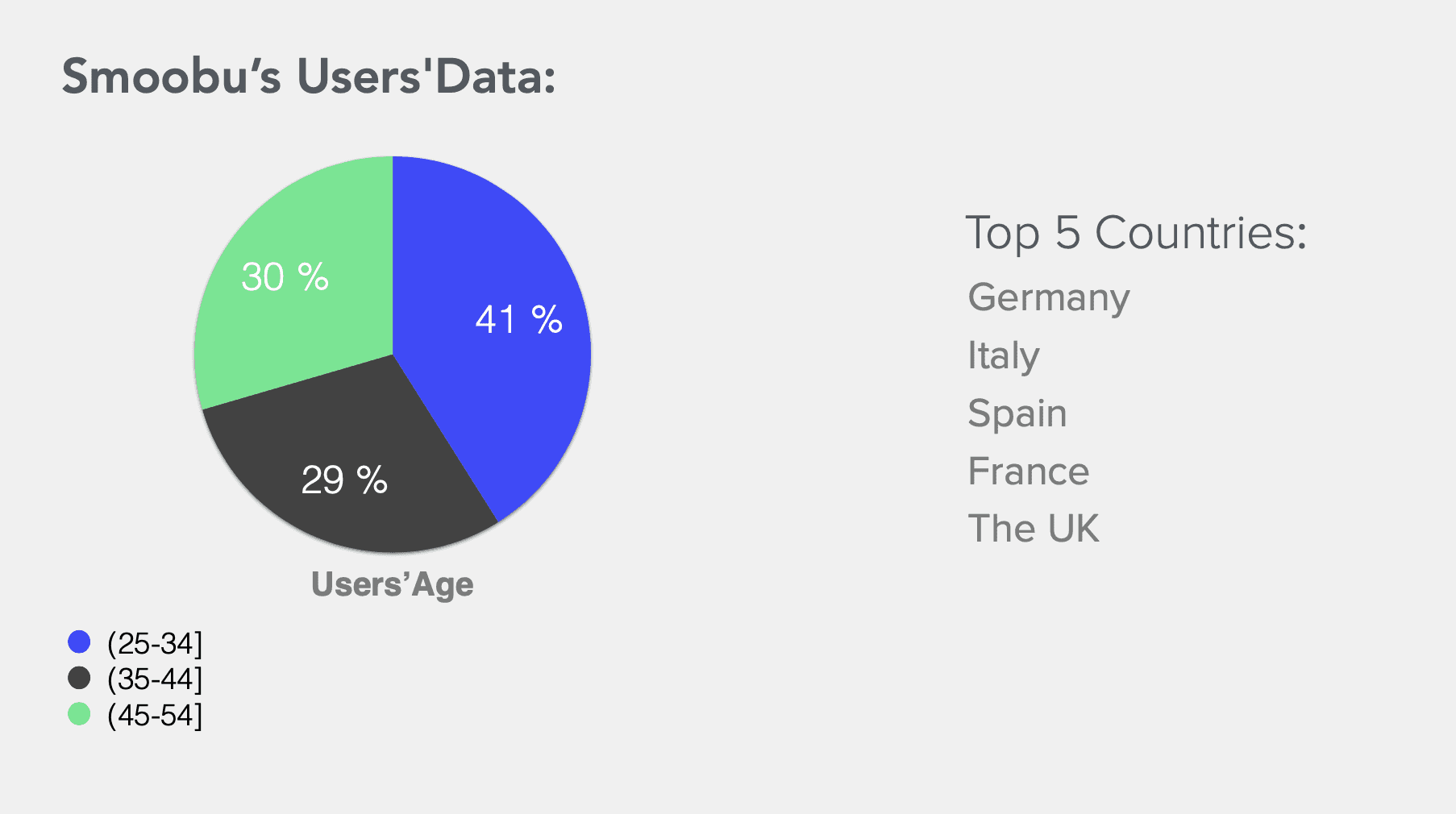
Instead, we worked closely with customer support specialists who interacted with users daily. These teams represented multiple regions including Germany, France, Greece, Italy, Spain, and English-speaking markets. Their insights helped us identify the most common questions and pain points experienced by new users.
We complemented these conversations with additional data sources:
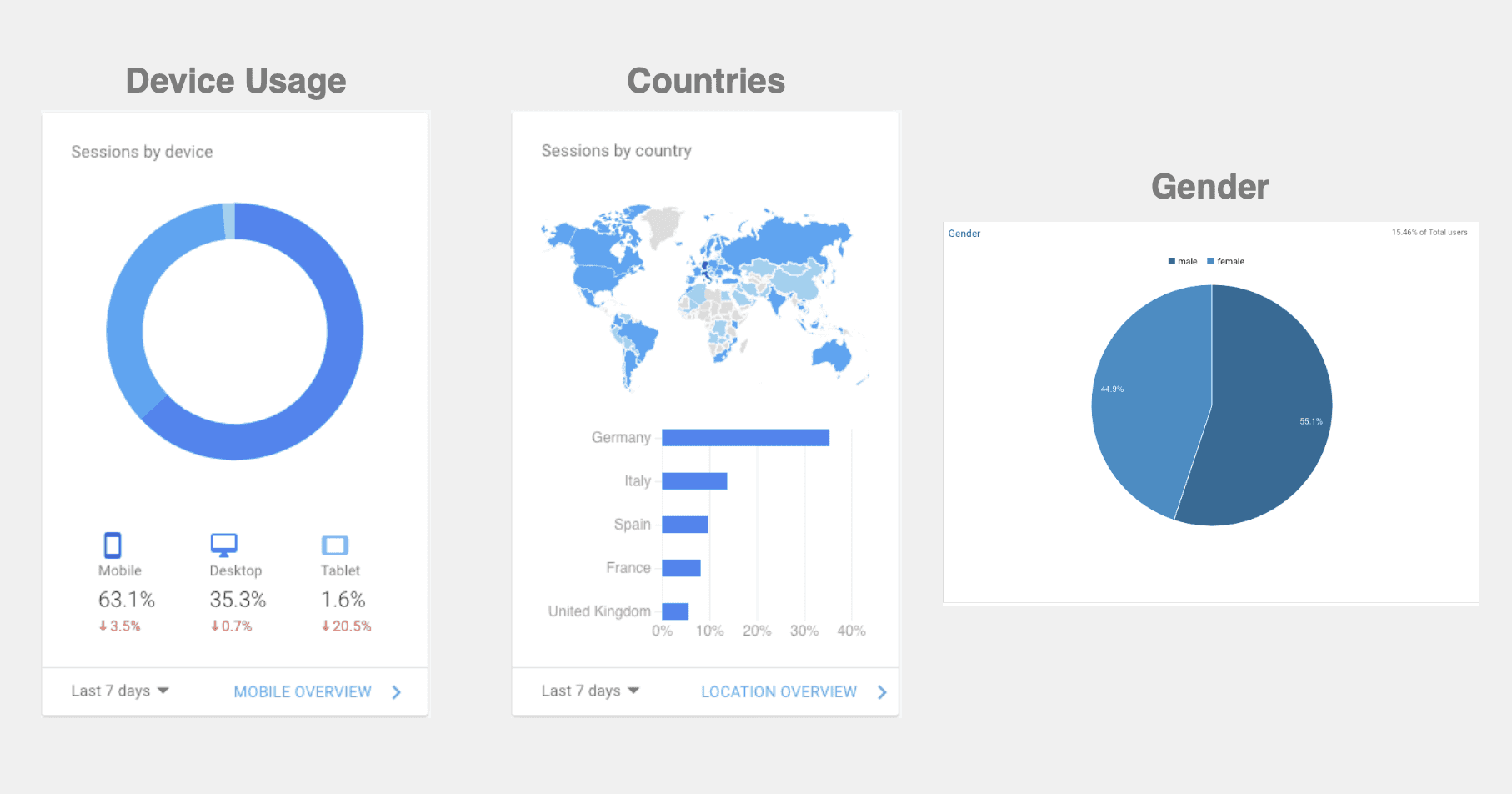
Google Analytics for behavioral insights
Hotjar for session recordings and heatmaps
Industry insights from Statista
Based on these findings, we created three personas representing typical Smoobu users.
Each persona captured:
Motivations for using the platform
Goals and expectations
Technical comfort level
Devices used to manage properties
Key frustrations during setup
These personas helped us focus on what new users truly needed during their first interaction with the product.
After several marketing campaigns, the team observed that user acquisition was growing but conversions were not meeting expectations.
Many users signed up but left before fully setting up their accounts or exploring the platform’s features.
Through internal surveys and early research, we developed two key hypotheses:
New users did not fully understand what Smoobu did or how it could help them.
Users landing on the dashboard were confused by the interface and unsure where to start.
A common issue was that users arrived on an empty dashboard with no bookings or connected platforms. Without context, it was difficult to understand the platform’s capabilities.
The experience needed clearer guidance during the first interaction.
Our goal was to reduce confusion and help users experience the product’s value as early as possible.
Defining the onboarding structure
Through research and internal discussions, we designed a three-step onboarding process.
We deliberately limited the flow to three steps. More steps risked overwhelming users, while fewer steps would not provide enough context about the platform.
The onboarding focused on:
Introducing the platform’s key capabilities
Helping users connect their first booking platform
Guiding users toward a functional dashboard
This structure ensured users would land on a dashboard with meaningful data instead of an empty interface.
Exploring early concepts
We began with low-fidelity sketches to explore different approaches quickly.
Working collaboratively with another designer, we used sketches to brainstorm layout options, content structure, and interaction patterns.
Once we aligned on a direction, we presented the concept to the founders and gathered feedback before moving forward.
Prototyping and validation
We created interactive prototypes in Figma to test the flow internally. These prototypes allowed team members and customer support specialists to simulate the onboarding experience and identify areas for improvement.
Their feedback helped refine the flow before final implementation.
The Solution
The final onboarding experience guided users through three simple steps.
The first step introduced Smoobu’s core value and key features through short explanations supported by visual illustrations.
The second step offered users two setup options:
Connect their Airbnb account directly
Provide basic information to create their account setup manually
Connecting Airbnb allowed users to instantly import bookings and calendar data. This prevented the common issue of landing on an empty dashboard.
The third step brought users directly into the platform with their initial setup completed.
For experienced users who preferred to explore independently, the onboarding flow could be skipped at any stage.
The design prioritized clarity and approachability, using concise content and visual illustrations instead of long explanatory text.
Outcome
The onboarding experience helped users understand the product faster and reduced confusion during their first interaction with the platform.
By guiding users through their first setup step and encouraging them to connect a booking platform early, the experience made the platform feel immediately useful rather than overwhelming.
The new flow also created a clearer introduction to the product for users with varying levels of technical expertise.
This project highlighted how critical the first product interaction can be. Even a powerful platform can feel confusing if users do not understand where to start. Designing onboarding required balancing guidance with flexibility. Some users needed step-by-step instructions, while others preferred to explore on their own.
By focusing on clarity and early value, we were able to create a first experience that helped users build confidence in the platform.
© 2026 Nasim Raeesi